Sustainable Kauri
A commitment to preserving our planet while unearthing its history.
Ethical Extraction
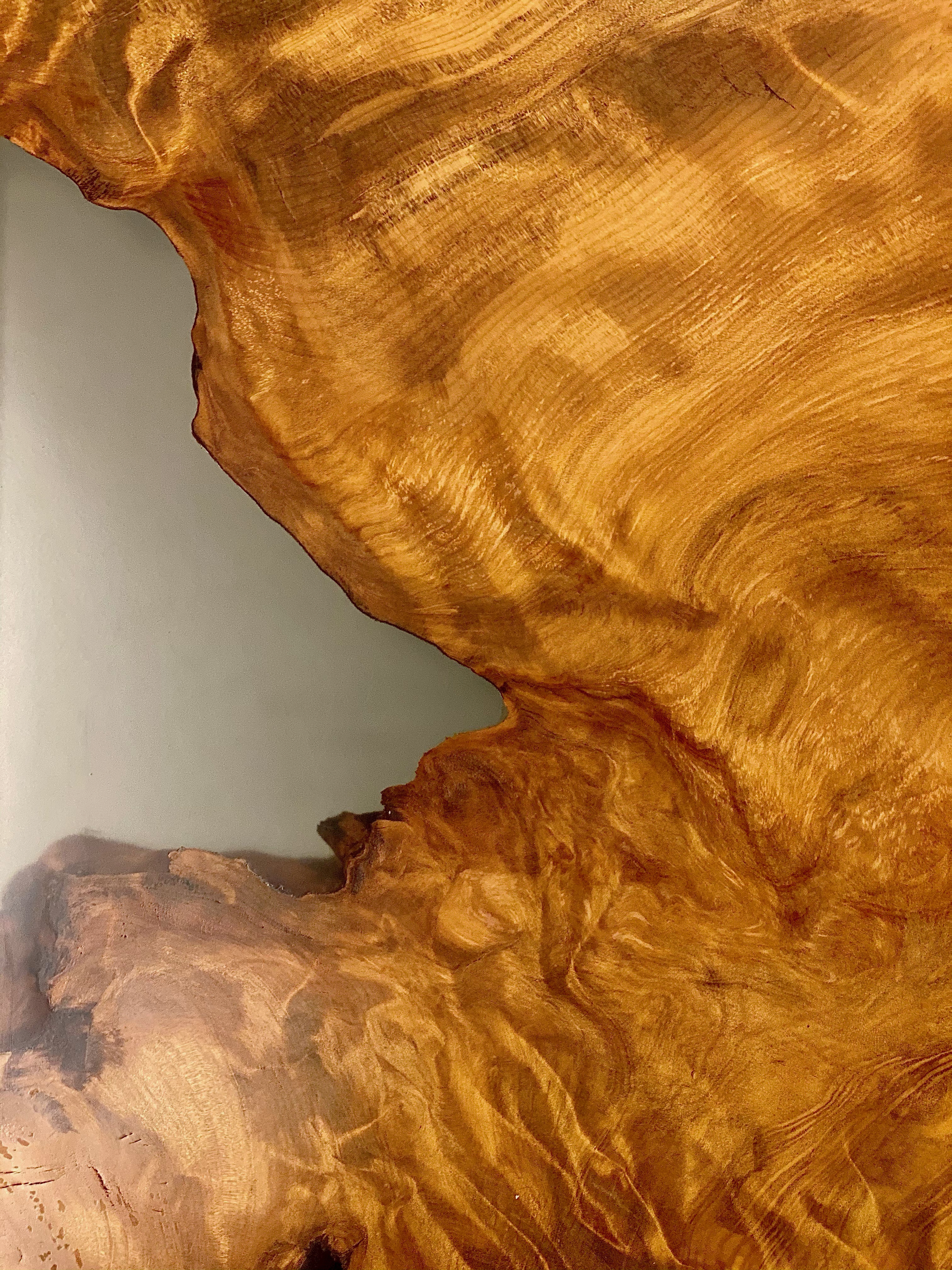
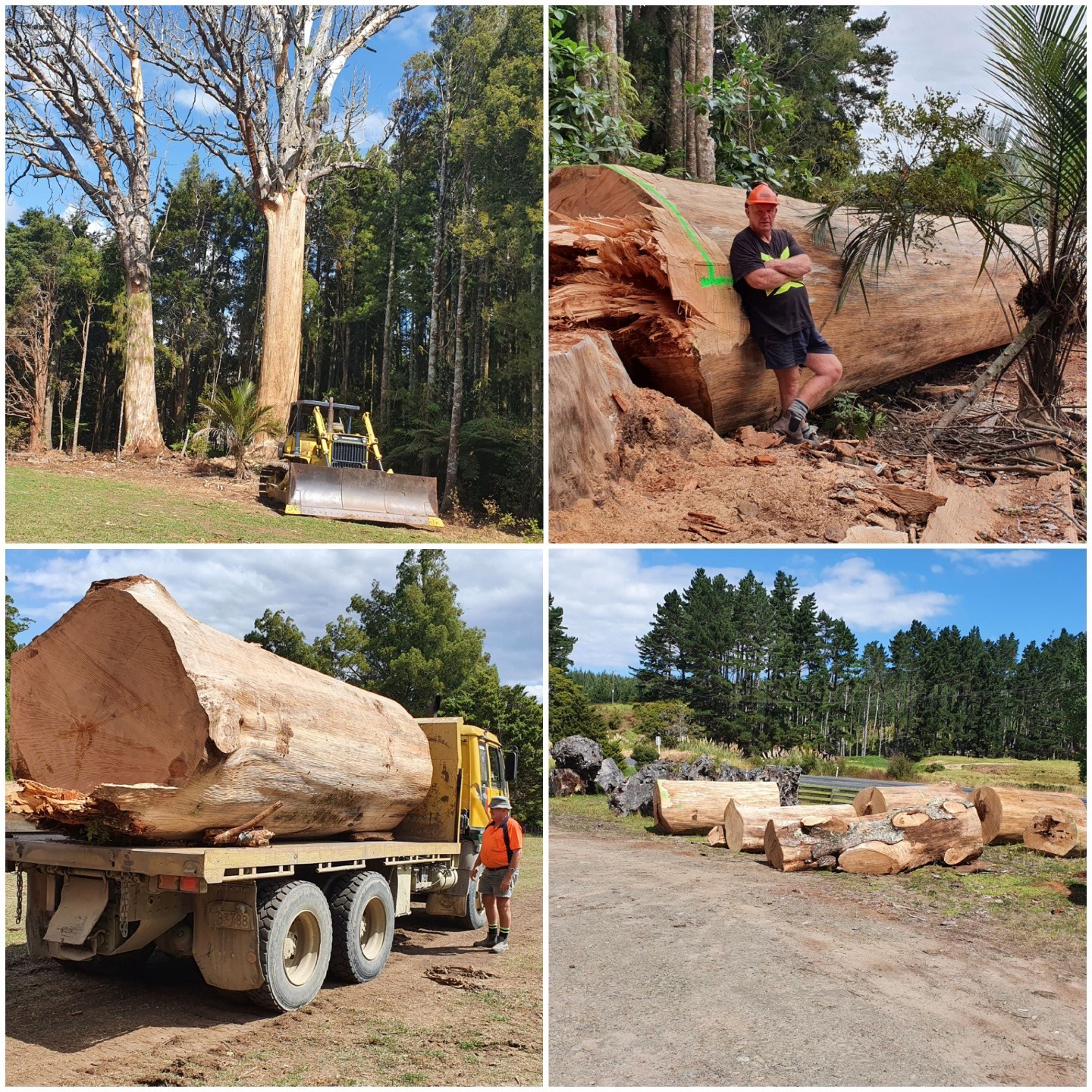
Ancient Kauri is an entirely finite resource. However, its extraction is a masterclass in environmental stewardship. These prehistoric giants are recovered from beneath existing farmland and peat swamps in New Zealand.
Once a log is carefully excavated, the earth is meticulously restored to its original state, allowing farming and natural ecology to continue undisturbed. Not a single living tree is ever felled to create our furniture.
Renewable Manufacture
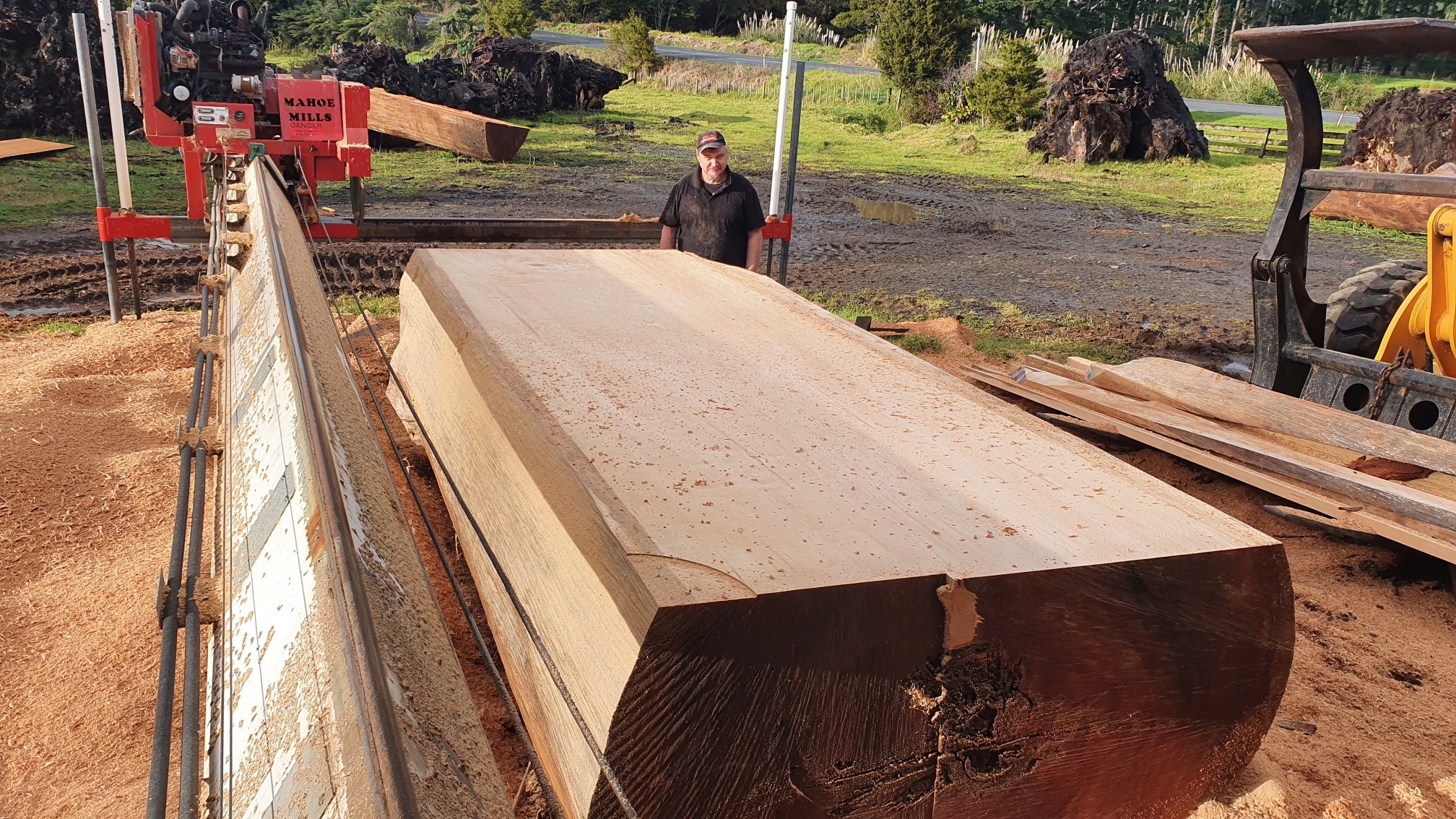
The transformation from ancient log to luxury furniture is energy-intensive, but we ensure this impact is minimized. New Zealand is a global leader in renewable energy, with over 82% of its grid powered by hydro, geothermal, and wind sources.
This means the heavy machinery, specialized kilns, and extensive workshop processes required to dry and mill our Kauri are powered predominantly by clean, green energy, significantly reducing the carbon footprint of the raw manufacture.
Carbon Offset Shipping
Transporting solid, single-slab luxury furniture across the globe requires substantial logistics. We take full responsibility for the environmental cost of this journey.
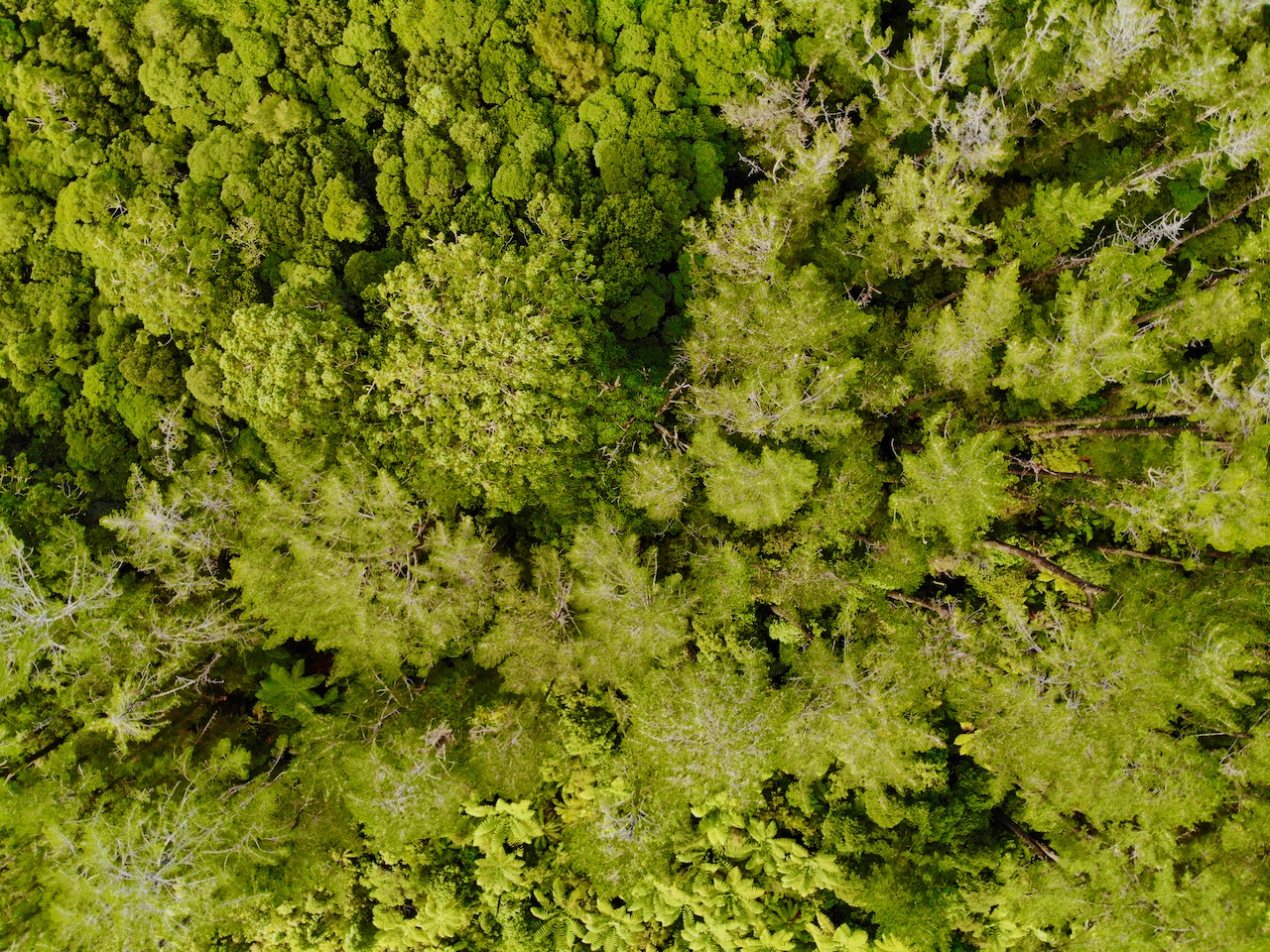
We meticulously calculate the carbon emissions produced in shipping our products from the New Zealand workshops to your door in the UK. We then offset 110% of these emissions through certified, high-impact plantation and reforestation projects, ensuring a net-positive environmental impact.
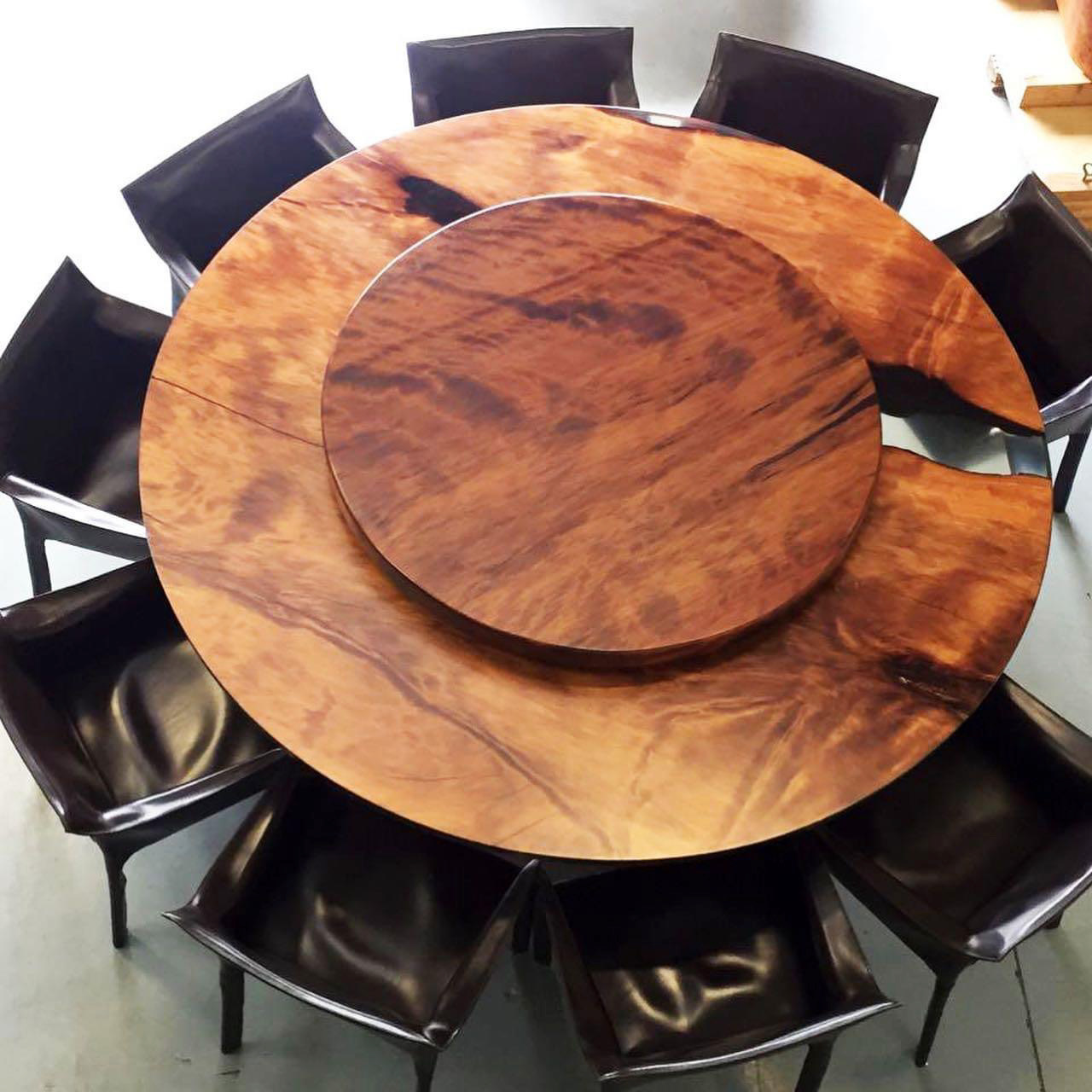
A Zero-Waste Philosophy
Because Ancient Kauri is so incredibly rare and finite, we treat every inch of the timber with profound respect.
Any offcuts from our grand dining and boardroom tables are repurposed into smaller luxury items, bespoke art pieces, or accent furniture. We operate on a zero-waste philosophy when it comes to this prehistoric material, ensuring its 50,000-year legacy is fully honored.